Why Are My Radiators Cold At The Bottom? (And What It Means)
Why Are My Radiators Cold At The Bottom? (And What It Means)
If your radiators are warm at the top but cold at the bottom, it is usually a sign that something within the heating system is restricting circulation.
At Rapid Flow Plumbing & Heating, we regularly attend homes across East Grinstead, Crawley and Tunbridge Wells where homeowners are experiencing:
- cold spots on radiators
- noisy heating systems
- poor heating performance
- rising energy bills
- boilers struggling to heat the property efficiently
In many cases, the underlying issue is sludge buildup inside the central heating system.
What Causes Radiators To Be Cold At The Bottom?
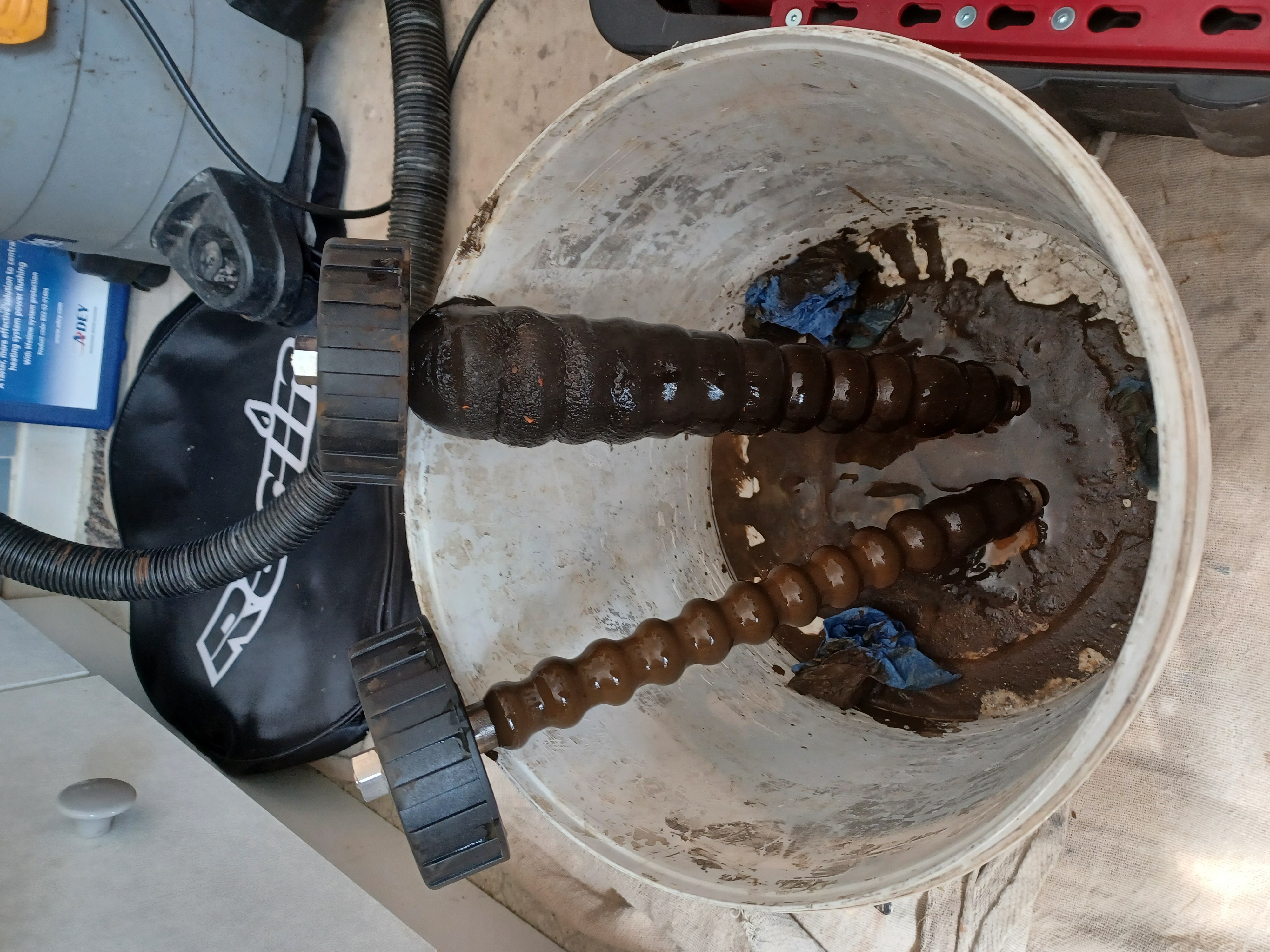
The most common cause is heating system sludge collecting inside the bottom of the radiator.
Over time, corrosion inside heating systems creates deposits of:
- rust
- dirt
- debris
- magnetite sludge
This sludge settles at the lowest points of the system — usually inside radiators.
As buildup increases, hot water circulation becomes restricted and parts of the radiator stop heating correctly.
Signs Your Heating System May Have Sludge Problems
Cold radiators are often only one symptom of a larger circulation problem.
Common Warning Signs Include:
- radiators cold at the bottom
- radiators taking longer to heat up
- noisy boiler or pipework
- black water when bleeding radiators
- boiler kettling noises
- repeated pump or circulation problems
- uneven heating throughout the property
We regularly find sludge buildup in older heating systems across Crawley and Tunbridge Wells, particularly where systems have not been serviced or protected properly over time.
Why Ignoring Sludge Can Damage Your Boiler
Many homeowners continue using their heating system without realising sludge buildup can place additional strain on the boiler itself.
Restricted circulation can eventually lead to:
- overheating issues
- increased wear on pumps
- blocked heat exchangers
- reduced boiler efficiency
- higher energy usage
- expensive repair bills later
Modern boilers rely on correct circulation to operate efficiently. Dirty heating water can significantly reduce system performance over time.
Can Powerflushing Help?
In some situations, powerflushing or system cleaning can help improve circulation and heating performance.
However, not every heating system automatically requires a full powerflush.
At Rapid Flow Plumbing & Heating, we always recommend proper investigation first to determine:
- the severity of sludge buildup
- condition of the heating system
- whether cleaning is appropriate
- whether additional repairs may also be required
Providing honest advice and diagnosing the root cause properly is always more important than simply recommending unnecessary work.
The Importance Of Magnetic Filters & Inhibitor Protection
One of the best ways to help prevent sludge problems returning is proper system protection.
Magnetic Filters
Magnetic filters help capture circulating debris before it reaches sensitive boiler components.
Inhibitor Chemicals
Heating inhibitor helps reduce internal corrosion and sludge formation within the system.
Many older heating systems we attend throughout East Grinstead are either missing adequate protection or have not been maintained correctly over time.
Real Example From A Local Customer
A homeowner in Crawley contacted us after noticing several radiators remained cold despite the boiler appearing to work normally.
Following inspection, we identified:
- heavy sludge buildup within the heating system
- poor circulation affecting multiple radiators
- reduced heating efficiency throughout the property
After system cleaning and circulation improvements, the heating system warmed far more evenly and operated significantly more efficiently.
How To Help Prevent Heating System Sludge
Preventative maintenance can often help reduce the risk of circulation problems developing.
Recommended Steps
- arrange annual boiler servicing
- maintain correct inhibitor levels
- install magnetic filtration
- monitor radiator performance
- investigate pressure or circulation issues early
- avoid ignoring cold radiator symptoms
Small heating system issues are often far cheaper to resolve before they develop into larger boiler problems later.
When Should You Contact A Heating Engineer?
You should arrange professional inspection if:
- radiators remain cold at the bottom
- the boiler becomes noisy
- heating performance worsens
- pressure regularly drops
- the system repeatedly requires bleeding
- some rooms struggle to heat properly
Ignoring early warning signs can eventually lead to more expensive repairs and reduced heating efficiency.
Boiler & Heating Repairs In East Grinstead, Crawley & Tunbridge Wells
Rapid Flow Plumbing & Heating provides:
- boiler repairs
- heating diagnostics
- boiler servicing
- system cleaning
- central heating repairs
- magnetic filter installations
- boiler installations
Across:
📍 East Grinstead
📍 Crawley
📍 Tunbridge Wells
📍 Surrounding RH & TN postcodes
If your radiators are not heating properly or your heating system is showing signs of sludge buildup, professional inspection can often help prevent larger boiler problems later.
Looking For Ongoing Boiler Protection?
Many homeowners across East Grinstead, Crawley and Tunbridge Wells choose boiler service plans to help spread the cost of maintaining their heating system throughout the year.
Our boiler service plans can help homeowners:
✅ stay on top of annual servicing
✅ reduce unexpected repair costs
✅ receive priority support
✅ maintain heating system reliability
Regular maintenance and early fault detection can often help prevent larger and more expensive breakdowns later.
To learn more about our boiler service plans, visit:
https://rapidflowheating.co.uk/service-plans
Experiencing a boiler or plumbing emergency?
Whether you're dealing with an emergency or want to book a routine service, we've made it easy to get in touch. Choose the option that suits your needs.